

The editors of Overhead Compartment recently* sat down with Casper Kelly in a virtual chat room. Kelly is the co-creator of the Adult Swim series Your Pretty Face Is Going to Hell and Stroker and Hoop, as well as the creator and director of the...

Needless to say, the senior staff at Overhead Compartment is a little bit “old school.” We still get the newspaper delivered, we take the bus to work instead of ordering a Lyft, and we don’t necessarily know whether something is “lamestain” or if “cool” is bad or...

In Cave of Forgotten Dreams, our German, all too German guide through the underworld of time offers a stirring, proto-cinematic image: paintings of beasts whose superimposed legs trap them in movement. Is it not also possible, then, to find a similar primordial imprint of animal life within the...

Dr. Katz may just as well have been made using various arrangements of the same handful of looping GIFs. The atmosphere and depth achieved is inverse to the show’s feeble budget. This is an avant-garde child of constraint. As the wikipedia excerpt...

How badly I want The Criterion Collection’s tasteful packaging of artwork and critical essays to indefinitely trump the obsolescence of DVDs. The ephemerality of media vies against its substance. In any case, more than a few of my favorite original film posters and box illustrations are attributable to...

If you’re anything like me, you probably went into season three of Crime Blood Kingdom wondering just how much more cinematic TV could get for undercover serial paedophobe anti-hero detective Billy Whiteman. His morally ambiguous mission to do crime with the bad...
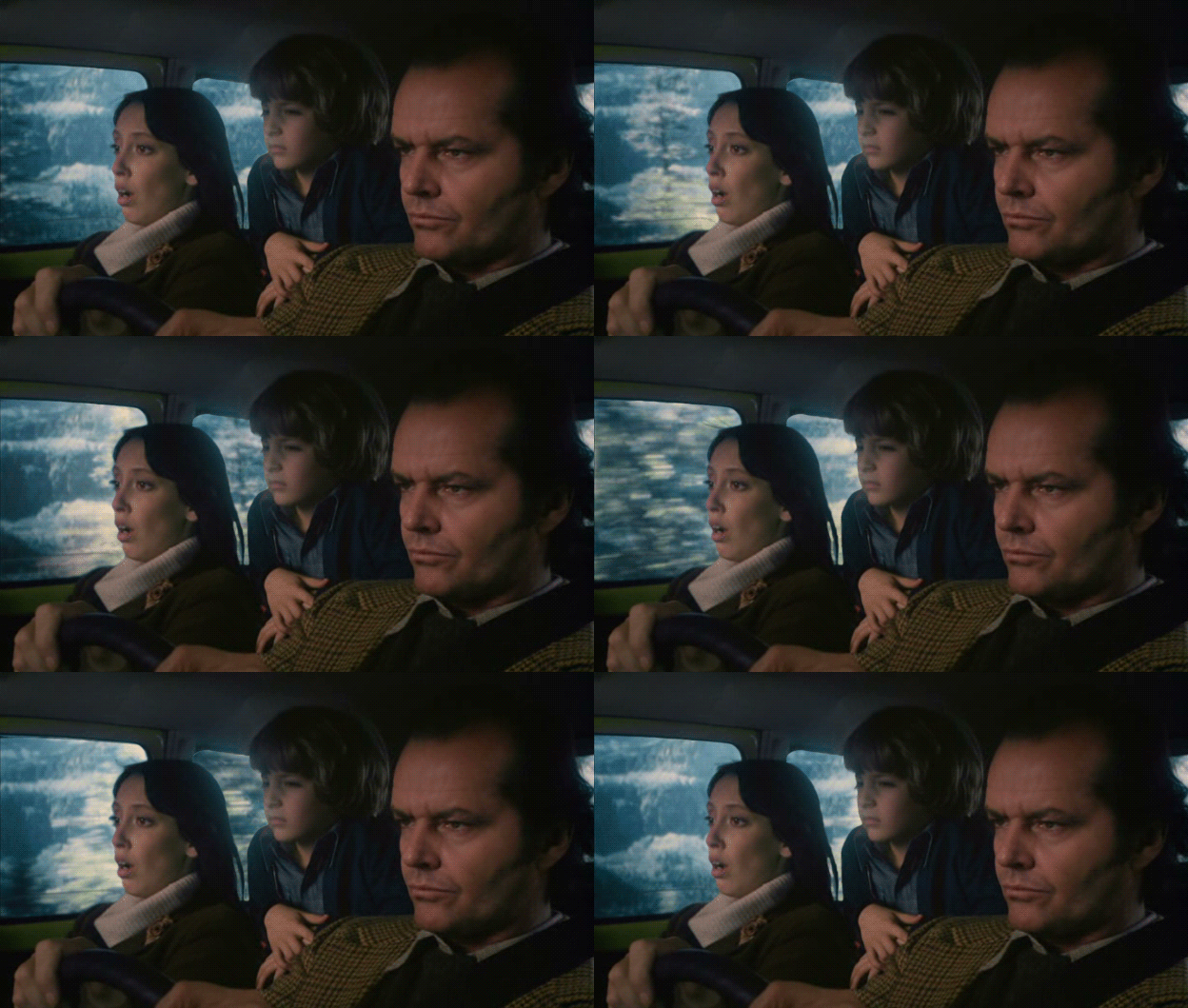
In the spirit of hurricane-induced house arrest, we offer yet another series of cinemagraphs to continue our celebration of Kubrick’s distinctive mise-en-scene, which we began a while back with 2001. What better cure for infrastructural paralysis than the desolate-yet-claustrophobic creepiness of being trapped inside with...
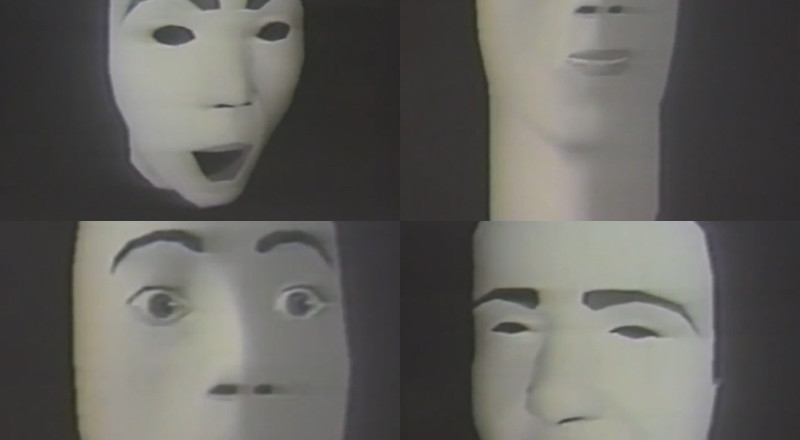
In 1974, Frederic Parke received a PhD in computer science from the University of Utah College of Engineering, where he also created the first computer generated physically-modeled human face. Parke’s original idea of virtual modeling has seen exponential advancements as technology that...
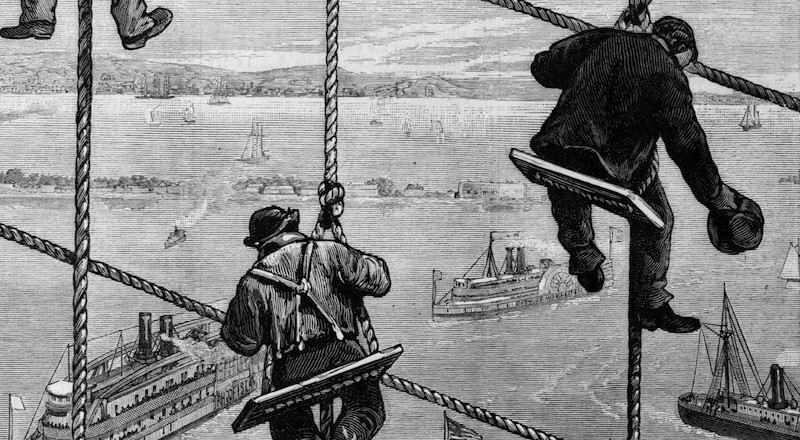
Constructed in 1883, the East River Bridge, later dubbed the Brooklyn Bridge, was once the longest suspension bridge in the world, and remains one of the most iconic architectural marvels today. In 1899, Edison captured this leisurely train ride across the river...
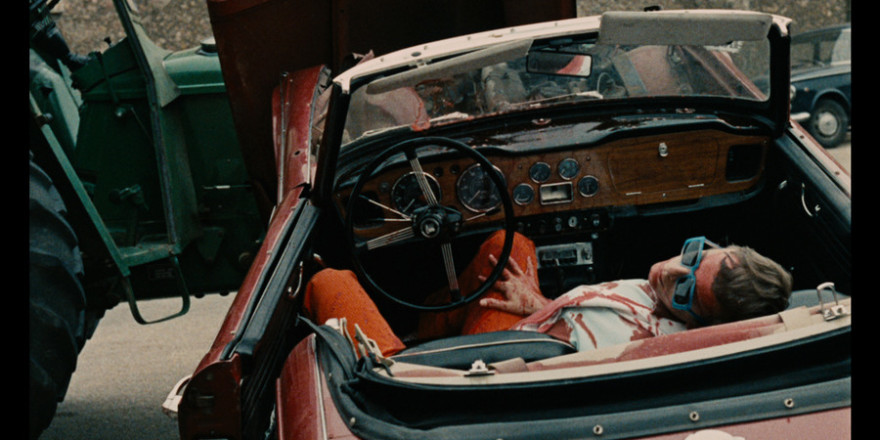
Although we love l’art pour l’art as much as the next postmodern aesthete-cum-aviator themed weblog, we’re also thoroughgoing political absurdists. So, all in all, we’re glad Jean-Luc Godard got off that weirdly Catholic purism of the early Cahiers du Cinema crowd and...

We had the chance to catch producers Javier Bardem and Lilly Hartley, along with director Alvaro Longoria and Kerry Kennedy from the Robert F. Kennedy Center for Justice and Human Rights present their compelling new documentary, Sons of the Clouds: The Last Colony this week...

It’s been well over 40 years since its debut, and not only does 2001 stand firmly in cinematic history, but it still reigns supreme among decades of sci-fi films which came after and were more than likely inspired by it. Perhaps the...